
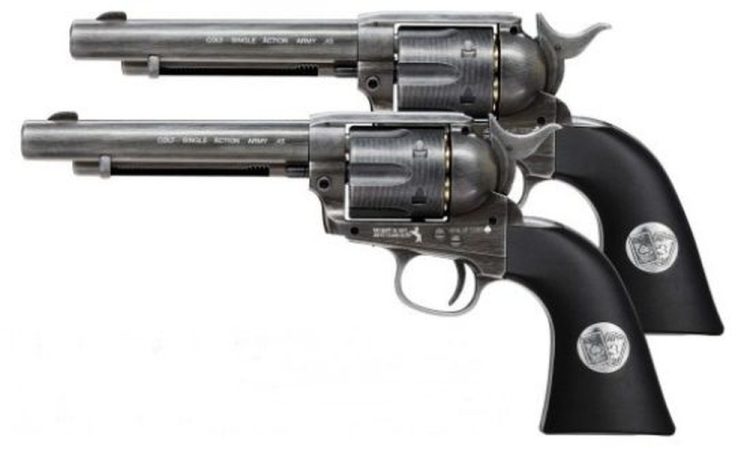
Air pistol shooting is one of the most accessible and technically demanding shooting sports in the world. From beginners attending their first local club session to elite athletes competing on the international stage, the discipline rewards patience, precision, and consistency rather than brute force or power.
Unlike many other shooting formats, air pistol shooting places a strong emphasis on technique, control, and mental discipline, making it suitable for a wide range of ages and abilities.
The foundations of air pistol shooting
Air pistols are typically powered by compressed air or CO₂, propelling a lightweight pellet at relatively low velocities. This creates a controlled and predictable shooting environment, ideal for developing core skills such as:
- Stance and balance
- Grip consistency
- Trigger control
- Breath management
- Follow-through
Because recoil is minimal, shooters can focus entirely on refining their form. This is one of the reasons air pistols are widely used for training and competition, rather than recreational shooting alone.
The role of local shooting clubs
For many people in the UK, the journey into air pistol shooting begins at a local shooting club. Clubs provide a safe, supervised environment where newcomers can learn proper handling, range etiquette, and safety procedures.
Typical club activities include:
- Introductory coaching sessions
- Regular practice nights
- Internal leagues and friendly competitions
- Pathways into regional and national events
Clubs also play an important role in promoting responsible ownership and helping shooters understand the legal and safety framework surrounding air pistols in the UK.
Competitive air pistol shooting
At competitive level, air pistol shooting is a test of both physical control and mental resilience. The most widely recognised format is 10-metre air pistol, where shooters aim at a target with a bullseye measuring just 11.5 mm in diameter, from a distance of ten metres.
Scoring is measured in tenths, meaning even the smallest movement or lapse in concentration can affect results. Matches often come down to:
- Shot timing under pressure
- Emotional control
- Consistency across long shot strings
This makes air pistol competition one of the most demanding precision sports, despite its relatively simple equipment setup.
Olympic and international recognition
Air pistol shooting is firmly established at the highest level of sport, including the Olympic Games and World Cup competitions. International governing bodies set strict standards for equipment, targets, and competition rules to ensure fairness and consistency worldwide.
Manufacturers with long engineering traditions, such as Beretta, have historically contributed to the development and refinement of precision shooting equipment, reflecting how craftsmanship and engineering excellence continue to influence the sport-without replacing the importance of skill.
Why air pistol shooting continues to grow
Air pistol shooting remains popular because it is:
- Accessible – suitable for indoor ranges and limited spaces
- Skill-focused – success depends on technique, not strength
- Structured – clear progression from beginner to elite level
- Community-driven – clubs and competitions foster strong social ties
For many participants, the appeal lies in the balance between calm focus and competitive challenge.
A sport built on discipline and respect
At its core, air pistol shooting is about discipline, safety, and respect-for equipment, fellow shooters, and the sport itself. Whether practiced recreationally or competitively, it offers a structured environment for personal improvement and mental focus.
As interest in precision sports continues to grow, air pistol shooting remains a discipline where dedication and consistency are rewarded, and where small improvements can lead to meaningful progress over time.