
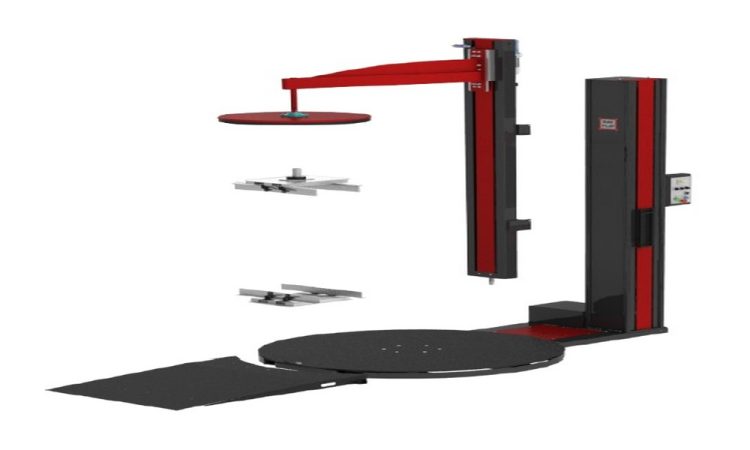
In manufacturing, warehousing or distribution, your pallet wrapper is one of the unsung heroes of your packing line. It protects products, stabilises loads and keeps goods secure during transport. But like any machine that works hard day after day, pallet wrappers don’t last forever.
Waiting too long to upgrade can cost you in wasted time, damaged pallets, excessive film use and unexpected downtime. To help you assess whether it’s time for a change, here are five key signs it’s time to upgrade your pallet wrapper.
1. Frequent Breakdowns and Repairs
If your machine spends more time in the workshop than on the floor, it’s costing you more than you realise.
Signs to watch:
- Increased service calls
- Long wait times for parts
- Escalating maintenance bills
Older models often use parts that are no longer manufactured, meaning longer downtimes when something goes wrong. Upgrading to a modern system ensures better reliability, faster turnaround and less expense on reactive repairs.
Browse modern pallet wrappers:
https://sontex.co.uk/pallet-wrappers/
2. Inconsistent Wrap Quality
A quality pallet wrapper should deliver:
- Even stretch wrap tension
- Straight, secure wrapping
- Minimal film tearing
- Consistent load containment
If you find loads are uneven, leaning, bulging or unstable – that’s a sign the current machine isn’t up to the task. Newer wrappers offer advanced controls and automated tension adjustments that improve consistency, reduce waste and protect your products.
3. Slow Throughput and Downtime Between Loads
Time is money in any packing environment.
If your current wrapper can’t keep up with your production schedule, you’re losing capacity. Things to monitor include:
- Slow cycle times
- Manual adjustments needed for every pallet
- Bottlenecks during peak shifts
Investing in a higher-speed or automatic wrapper can dramatically improve your throughput and reduce labour costs.
4. Excessive Film Usage
Some older wrappers are inefficient with film usage. Pulled too tight? Not tight enough? Film tearing or slipping? These problems not only affect load stability – they cost you money every single day.
Modern pallet wrappers are designed for film optimisation:
- Precise pre-stretch control
- Programmable wrap patterns
- Reduced material waste
Over weeks and months, more efficient film use pays for itself.
5. Lack of Modern Safety and Automation Features
Safety standards evolve – and so do machine capabilities.
Older wrappers may lack:
- Emergency stop systems
- Operator safety barriers
- Automated wrap cycles
- Simple digital control panels
Upgrading to a newer model not only increases safety compliance but boosts overall productivity with features that reduce manual input and operator fatigue.
When Upgrading Makes Financial Sense
Waiting too long to replace inefficient or failing equipment can cost your business through:
- Lost productivity
- Increased labour costs
- Wasted film and damaged pallets
- Emergency repair bills
Upgrading can mean:
Higher reliability
Faster wrapping
Lower operating costs
Better load protection
Is a New Wrapper Right for You? Ask Yourself:
Are repairs becoming more frequent?
Has throughput stagnated but demand risen?
Do you use more film than you used to?
Is your current machine no longer supported?
Do new operators struggle with it?
If you answered yes to any of these, it’s worth considering a modern pallet wrapping solution.
Ready to Upgrade Your Pallet Wrapping?
At Sontex, we offer a wide range of pallet wrappers – from semi-automatic units for flexible operations to fully automatic machines for high throughput lines.
Explore your options → https://sontex.co.uk/
And if you’re unsure which machine is right for you, our team can help you evaluate your requirements and recommend the best solution for your business.
What This Means for Your Business
An efficient pallet wrapper isn’t a luxury – it’s a productivity tool that protects products, saves time, reduces costs and enhances your packing workflow. Knowing when to upgrade is essential to keeping your operation running smoothly.