
Budget Friendly Storage: Managing Costs Using Used Plastic Pallets Solutions

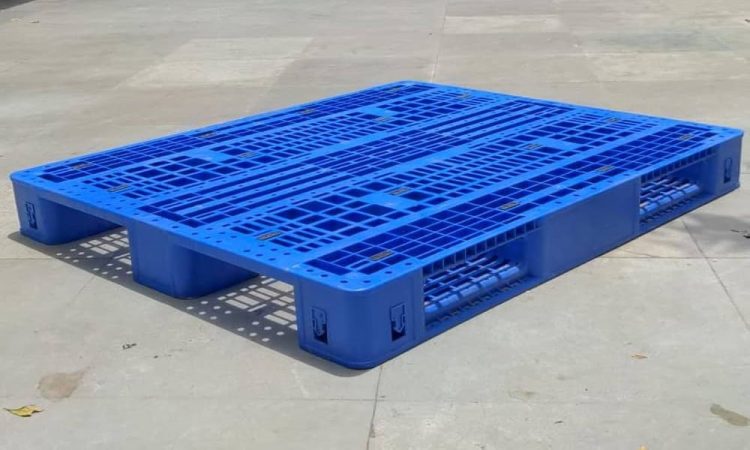
Careful cost control becomes necessary when storage materials start increasing overall expenses. Many operations struggle to balance durability and pricing at the same time. It focuses on reducing spending without lowering basic storage quality.
Many buyers search for reliable ways to reduce investment while still maintaining strong storage support. In such cases, used plastic pallets become a realistic option because they provide usability at a lower price point. However, without a structured approach, people often make poor choices, leading to repeated replacements and higher long-term costs.
Understanding how to manage these materials properly helps avoid unnecessary expenses. A clear method ensures better selection, longer usage, and improved efficiency over time.
Practical Thinking for Cost Control
Clear planning works better than guesswork when handling storage materials.It helps avoid waste and improves long term usage decisions.
- Evaluate material condition carefully before final purchase decisions, always
- Compare the weight capacity with the actual storage load requirements properly
- Inspect surface damage to avoid early replacement issues later
- Maintain a cleaning routine to increase product usability duration
Organized selection reduces unnecessary expenses and improves storage planning accuracy.
Condition Evaluation Before Purchase
Checking quality before buying helps avoid hidden costs. Many low-priced items may require repairs soon after purchase. Buyers should check cracks, surface wear, and load strength. This process ensures long term value rather than short-term savings.
Cost Comparison with New Alternatives
Comparing reused materials with new ones gives a better understanding of actual savings. Sometimes, slightly higher cost reused options perform better than cheap, low-quality ones. Short-term thinking often leads to repeated spending, which increases total expense.
- Compare the lifespan difference between reused and new materials carefully
- Check warranty or return support even for reused items
- Analyze the maintenance cost required after the initial purchase
- Measure handling efficiency in real storage environments
Storage Planning Based on Usage Needs
Planning storage based on usage reduces waste and improves efficiency. Overbuying creates unnecessary costs and space issues. Underestimating needs leads to repeated purchases.
- Identify the actual storage volume before selecting the pallet quantity needed
- Allocate pallets based on load type and handling frequency
- Avoid mixing damaged and strong units in the same storage cycle
- Maintain a tracking system for usage and replacement schedules
- Simple planning improves clarity
- Organized use reduces confusion
Maintenance Practices That Reduce Expenses
Regular maintenance extends product life. Small actions like cleaning and proper stacking prevent damage. Ignoring maintenance leads to faster wear and increased replacement frequency.
Reuse Cycle and Rotation Planning
Rotating materials evenly prevents overuse of specific units. This method ensures balanced wear across all pallets. It works effectively in environments where handling frequency is high. However, tracking rotation requires discipline and monitoring systems.
Continuous Improvement and Monitoring
Consistent checking helps maintain efficiency over time. Tracking performance, reviewing usage patterns, and adjusting selection improve results. Discipline and regular observation make the process repeatable and reliable. Over time, this builds a cost-effective system using used plastic pallets without frequent replacement cycles.
Practical Cost Management Outcome
Balancing price and durability requires careful thinking and consistent effort.Structured planning reduces mistakes and improves material usage over time.Regular checks and controlled handling prevent unnecessary replacement costs.Smart selection combined with proper maintenance delivers long term value.A disciplined approach ensures stable performance without overspending.


