Delivering Indian Catering to Chicago’s Unusual Venues: Logistics for Rooftops, Lofts, and Outdoor Spaces

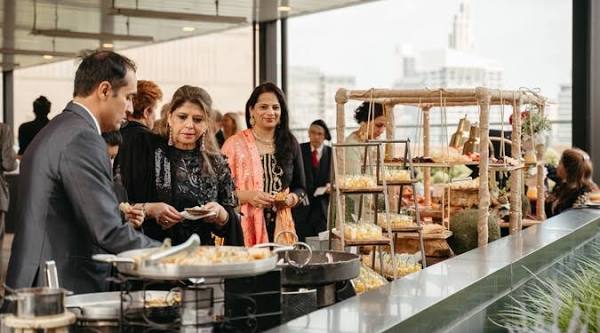
Bringing Indian food catering to Chicago’s rooftops, lofts, and outdoor venues calls for a careful balance of creativity and planning. Each site brings its own set of hurdles, from narrow stairwells and tight elevator spaces to outdoor weather surprises and venues without kitchens.
Success relies on clear communication, specialized equipment, and an understanding of venue requirements and applicable city regulations. With these strategies, hosts and planners can ensure that every dish arrives fresh, properly handled, and ready to create lasting memories, even in the most unconventional locations.
Navigating Rooftop Deliveries: Access, Safety, and Temperature Control
Rooftop catering in Chicago raises three key questions: how will deliveries reach the site, what keeps staff and guests safe, and how is food temperature managed? For many rooftops, access relies on freight elevators or stairwells instead of easy parking or loading docks.
This means staff must plan extra time for moving food and supplies, and fragile dishes often need sturdy, insulated carriers to avoid spills or loss of quality. Is there enough room for setup, or are there narrow hallways and small elevators that slow the process?
Safety is another focus. Rooftop events often have strict rules about open flames, so chafing dishes may be limited and hot boxes become essential. There can be wind, sun, or even sudden rain, so tents or covers should be considered for both staff and food.
Proper temperature control is vital. Hot food must be maintained at the required safe holding temperature, while cold items need appropriate refrigeration or cooling throughout transport and service. The right catering team will use insulated transport and suitable heating or cooling equipment, helping maintain food quality and comply with food-safety requirements.
For planners booking indian food catering in Chicago, these details shape the entire experience and should be discussed from the start. Sharing venue restrictions, access arrangements, and setup expectations early helps the catering team plan a service approach that accommodates the space without compromising the guest experience.
Essential Equipment and Prep Solutions for Venues Without Kitchens
Choosing the right equipment and preparation strategies is key when serving Indian food at Chicago venues with no kitchen on site.
- Insulated hot boxes and coolers become vital for keeping food safe and flavorful during transit and service. These portable units help maintain appropriate temperatures without a full kitchen, reducing the risk of spoilage or loss of quality.
- Mobile induction burners and electric chafers allow for on-site reheating or holding food at safe temperatures. Since open flames are often restricted in indoor lofts or rooftop spaces, electric options provide flexibility while helping meet fire codes and venue rules.
- Advanced prep at the caterer’s facility is essential for venues without kitchen access. Most dishes should arrive fully cooked and ready for plating, with last-minute assembly or garnishing done on site to maximize freshness and presentation.
- Portable sinks, disposable gloves, and sanitizing wipes are needed for safe food handling when standard dishwashing is unavailable. These items help maintain hygiene standards, especially in outdoor or converted spaces where running water is limited.
- Extra storage containers, folding tables, and sturdy serving carts can make setup smoother and safer in unconventional layouts. Having backup supplies ensures the team can adapt quickly if the space lacks standard prep surfaces or storage.
Coordination With Building Management and Permitting for Chicago Spaces
Coordinating with building management and handling permits is a crucial step when planning Indian catering for Chicago’s more unusual event spaces.
- Building managers at lofts, rooftops, or outdoor venues often require advance notice and a detailed rundown of vendor activities. Sharing delivery schedules, access requirements, and insurance details with management helps streamline approvals and avoids last-minute obstacles that could disrupt event timing.
- Securing the right permits can be challenging, especially in shared or historic Chicago spaces where city regulations differ by property type and neighborhood. Planners should check applicable local requirements early in the process to prevent unexpected fines or forced event changes.
- Effective communication with on-site staff is essential for managing elevator bookings, entry points, and post-event cleanup. When these logistics are confirmed in advance, catering teams can focus on food quality and guest experience rather than troubleshooting access issues.
Weatherproofing Outdoor Events: Backup Plans and Food Quality
Chicago’s unpredictable weather creates three challenges for outdoor Indian catering events: sudden rain, wind, and temperature swings. Backup tents or clear canopies protect buffet lines and guests when storms threaten, while sidewalls help block wind and keep serving areas stable.
Insulated carriers and suitable portable warming equipment are used to hold curries, biryanis, and breads at appropriate serving temperatures, even during cool nights or unexpected delays. For plated service or live stations, flexible layouts let teams move food preparation and serving areas indoors or under cover as needed.
Cold salads and desserts are stored in appropriate coolers or refrigerated equipment to prevent spoilage if the sun is strong. Some planners also add a covered staging area so extra trays can be swapped quickly if weather shifts. This approach helps maintain food quality and reduces stress for guests and hosts.
Planning with these steps in mind allows any outdoor event to stay festive and enjoyable, even if the Chicago sky changes its mind.
Delivering Indian food catering to Chicago’s rooftops, lofts, and outdoor spaces means facing challenges that require careful planning and flexibility. Access to rooftop venues often depends on freight elevators or stairs, making extra time for moving supplies and using sturdy, insulated carriers essential for food quality and safe handling.
Equipment like hot boxes, coolers, and electric chafers is needed at sites without kitchens, while advanced preparation at the caterer’s facility helps maintain quality. Coordination with building management about delivery schedules, access arrangements, and permits avoids disruptions, and weatherproofing with tents or canopies keeps food protected during unpredictable weather.
These steps help ensure a smooth, memorable event in any Chicago location. With thoughtful planning, customized catering arrangements, and attentive service, Chic Chef Catering can help hosts bring their vision to life, whether the celebration takes place on a rooftop, in an urban loft, or at an outdoor venue.