
Key Takeaways
- Choosing the right furniture starts with matching each piece to your home’s overall aesthetic, considering colors, textures, scale, and existing decor.
- Understanding scale and proportion helps create balanced interiors, whether you’re furnishing a spacious home or a compact apartment.
- Quality craftsmanship is essential when selecting furniture, as durable materials and strong construction provide long-term value.
- Shopping at a furniture showroom dallas can help homeowners explore a wider selection of styles, materials, and furniture arrangements in person.
- Open floor plans benefit from strategic furniture placement that creates functional zones without relying on walls.
- Small spaces can remain stylish and functional by using slender furniture, multifunctional pieces, and vertical storage solutions.
- Lighting, textiles, accessories, and seasonal updates can transform the appearance of furniture and refresh the overall atmosphere of a home.
Choose Furniture That Complements Your Home’s Style
Decoding Essential Style Elements for Your Space
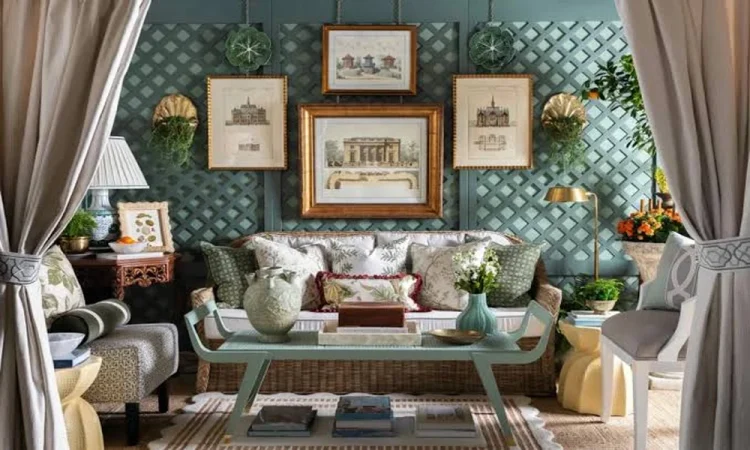
Selecting furniture is about more than choosing pieces that look attractive individually. The best interiors are created when furniture works together with the home’s architecture, color palette, textures, and existing decor.
Before visiting a showroom, homeowners should evaluate the style they want to achieve. Is the goal a contemporary, traditional, minimalist, or eclectic interior? Establishing a clear direction makes it easier to narrow down choices and avoid purchasing pieces that don’t work well together.
Creating a mood board can also help visualize different combinations. Homeowners can collect examples of preferred colors, materials, furniture styles, and room layouts before making major purchases.
Scale and proportion are equally important. Large furniture can work beautifully in rooms with high ceilings and generous floor space, while smaller rooms may benefit from furniture with slimmer profiles.
A well-balanced room should:
- Coordinate furniture colors with the existing palette.
- Combine textures to create visual interest.
- Match furniture proportions to the size of the room.
- Maintain enough open space for comfortable movement.
- Reflect the homeowner’s personal taste and lifestyle.
The goal is to create an environment that feels intentional rather than overcrowded.
Prioritize Quality Craftsmanship Over Temporary Trends
Why Durable Furniture Is a Smart Investment
While current furniture trends can be appealing, quality craftsmanship should remain a top priority. A stylish piece that quickly deteriorates may ultimately cost more than investing in durable furniture from the beginning.
When exploring furniture options, homeowners should examine the materials and construction methods used. Solid wood, quality metals, and durable upholstery can withstand daily use better than lower-quality alternatives.
Important factors to evaluate include:
- Materials: Solid wood, metal, and premium upholstery often provide greater durability.
- Construction: Strong joints and reliable hardware can extend the life of furniture.
- Finishes: High-quality finishes help protect surfaces from everyday wear.
- Functionality: Furniture should be attractive while also meeting practical needs.
Visiting a showroom allows shoppers to inspect furniture firsthand. They can sit on sofas, open drawers, examine finishes, and assess construction quality before making a purchase.
“Quality furniture doesn’t just complete a room; it supports the way you live in it.”
Investing in well-made furniture can also be a more sustainable choice. Durable pieces are less likely to require frequent replacement, helping homeowners reduce waste while maintaining a stylish interior.
Maximize Your Space With Smart Furniture Layouts
Strategic Arrangements for Open Floor Plans
Open floor plans offer flexibility but can sometimes be challenging to furnish. Without walls separating the living room, dining area, and kitchen, furniture placement becomes essential for creating a sense of structure.
Homeowners can use furniture to establish visual zones. Area rugs, sofas, bookshelves, and strategically positioned tables can separate spaces while maintaining an open flow.
For example, a sofa can define the boundary between a living room and dining area, while an area rug can visually anchor a seating arrangement.
- The room’s primary focal point.
- Natural walking paths.
- Conversation areas.
- Access to windows and doors.
- The location of entertainment systems.
- How frequently the room will be used.
Multifunctional furniture can provide additional benefits. Storage benches, lift-top coffee tables, extendable dining tables, and modular sofas allow homeowners to make better use of available space.
Creating Stylish Interiors in Small Spaces
Small rooms require careful planning. Oversized furniture can quickly make a compact space feel crowded, while pieces that are too small may appear disconnected from the room.
Choosing furniture with slender silhouettes can help maintain an open feeling. Homeowners can also maximize vertical space with tall shelving, cabinets, and wall-mounted storage.
Other practical solutions include:
- Ottomans with hidden storage.
- Sofa beds for accommodating overnight guests.
- Nesting tables that can be separated when needed.
- Extendable dining tables for flexible entertaining.
- Wall-mounted shelves for decorative and functional storage.
Mirrors can also make compact spaces appear larger by reflecting natural and artificial light. With the right combination of furniture and layout, even a small room can become comfortable, organized, and visually appealing.
Use Lighting, Textiles, and Accessories to Elevate Furniture
The Impact of Lighting on Furniture Aesthetics
Furniture can look completely different depending on the lighting in a room. Proper illumination highlights materials, colors, textures, and architectural details while creating a welcoming atmosphere.
A layered lighting strategy typically combines:
- Ambient lighting: Provides general illumination throughout the room.
- Task lighting: Supports activities such as reading, cooking, or working.
- Accent lighting: Highlights furniture, artwork, or architectural features.
Statement fixtures can also become decorative elements. A sculptural chandelier, contemporary floor lamp, or unique pendant light can complement furniture while serving a practical purpose.
Installing dimmers provides even greater flexibility. Homeowners can adjust lighting levels based on the time of day or activity, creating different moods without changing the furniture.
Textiles and Patterns That Bring Furniture to Life
Textiles add warmth, personality, and visual depth to a room. Throw pillows, curtains, rugs, and blankets can enhance furniture while introducing new colors and textures.
For example, pairing a neutral sofa with textured cushions or a patterned rug can create a more dynamic interior without overwhelming the room.
Homeowners can experiment with:
- Mixing different textures.
- Combining neutral colors with accent shades.
- Adding patterned rugs or cushions.
- Layering fabrics such as linen, cotton, velvet, or wool.
- Using accessories to introduce seasonal colors.
The key is balance. If furniture already features bold patterns or strong colors, simpler accessories may create a more cohesive appearance.
Refresh Your Home With Seasonal and Timeless Design
Refreshing Your Space for Every Season
Updating a home doesn’t always require purchasing new furniture. Seasonal accessories can provide an affordable way to refresh an interior while keeping the main furniture pieces unchanged.
During spring, homeowners might introduce floral patterns and lighter colors. Summer interiors can benefit from airy fabrics and brighter accents. Fall may call for warm tones and textured throws, while winter decor can incorporate deeper colors and cozy materials.
Simple seasonal changes can include:
- Switching throw pillows.
- Updating curtains.
- Adding seasonal artwork.
- Changing area rugs.
- Introducing decorative blankets.
- Rearranging furniture to create a different atmosphere.
These small adjustments can make familiar furniture feel new again.
Blending Classic and Contemporary Furniture
One of the most effective ways to create a stylish home is to combine timeless pieces with modern design elements. Classic furniture can provide warmth and character, while contemporary pieces introduce freshness and visual interest.
For example, a traditional wooden dining table can be paired with modern lighting, while a classic tufted sofa can work beautifully alongside contemporary artwork.
The key is finding visual connections between different styles through:
- Consistent color palettes.
- Complementary materials.
- Balanced proportions.
- Repeated textures.
- Coordinated lighting.
This approach allows homeowners to create interiors that feel personal rather than overly dependent on short-lived trends.
Making the Most of Your Furniture Shopping Experience
A successful furniture-shopping experience begins before entering the showroom. Homeowners should measure their rooms, identify their needs, establish a realistic budget, and understand the style they want to achieve.
Bringing room measurements and photos can make the selection process easier. It also helps shoppers determine whether potential furniture pieces will fit comfortably within the existing space.
- What materials were used to construct the piece?
- How durable is the upholstery or finish?
- Are customization options available?
- What are the furniture’s exact dimensions?
- Does the piece require special maintenance?
- What delivery and assembly services are available?
Taking time to compare options can help homeowners make more confident decisions. Rather than focusing solely on appearance, shoppers should consider how each piece will function within their home.
Ultimately, the best furniture choices combine beauty, comfort, durability, and practicality. By applying these five showroom secrets-coordinating style, prioritizing quality, maximizing space, enhancing furniture with lighting and accessories, and embracing timeless design-homeowners can create spaces that remain stylish and functional for years to come.
FAQ
What are some tips for choosing furniture that fits a specific style?
Start by identifying a central design theme, such as modern, traditional, minimalist, or eclectic. Creating a mood board can help homeowners visualize how colors, textures, materials, and furniture styles will work together.
How can I determine the right furniture size for my room?
Measure the room and consider the location of doors, windows, walkways, and existing fixtures. Furniture should provide enough space for comfortable movement without making the room feel overcrowded.
What materials should I prioritize for durable furniture?
Solid wood, quality metal, and premium upholstery are commonly preferred for durable furniture. Shoppers should also examine the construction, joints, hardware, and finish to determine overall quality.
How can furniture help define an open floor plan?
Furniture can create visual zones without the need for walls. Sofas, area rugs, shelving units, and tables can help distinguish living, dining, and working areas while maintaining an open and connected layout.
What lighting is best for showcasing furniture?
Layered lighting is generally effective. Combining ambient, task, and accent lighting can highlight furniture while creating a comfortable atmosphere. Dimmers also allow homeowners to adjust brightness based on their needs.
How can seasonal accessories improve home decor?
Changing accessories such as pillows, curtains, rugs, and artwork can refresh a room without replacing major furniture pieces. Seasonal colors and textures can give the home a new look throughout the year.
What role do textiles play in interior design?
Textiles add warmth, texture, and personality. Combining materials such as linen, velvet, cotton, and wool can create visual depth while making furniture and living spaces more comfortable.
Why should homeowners mix classic and contemporary furniture?
Combining classic and contemporary pieces creates a balanced interior that feels both timeless and current. Traditional furniture adds character, while modern elements provide freshness and personality.